2 min read
Traversing the New Texas Real Estate Landscape
In Texas’s 88th legislative session last year, legal and regulatory changes that are poised to impact the real estate market significantly were...

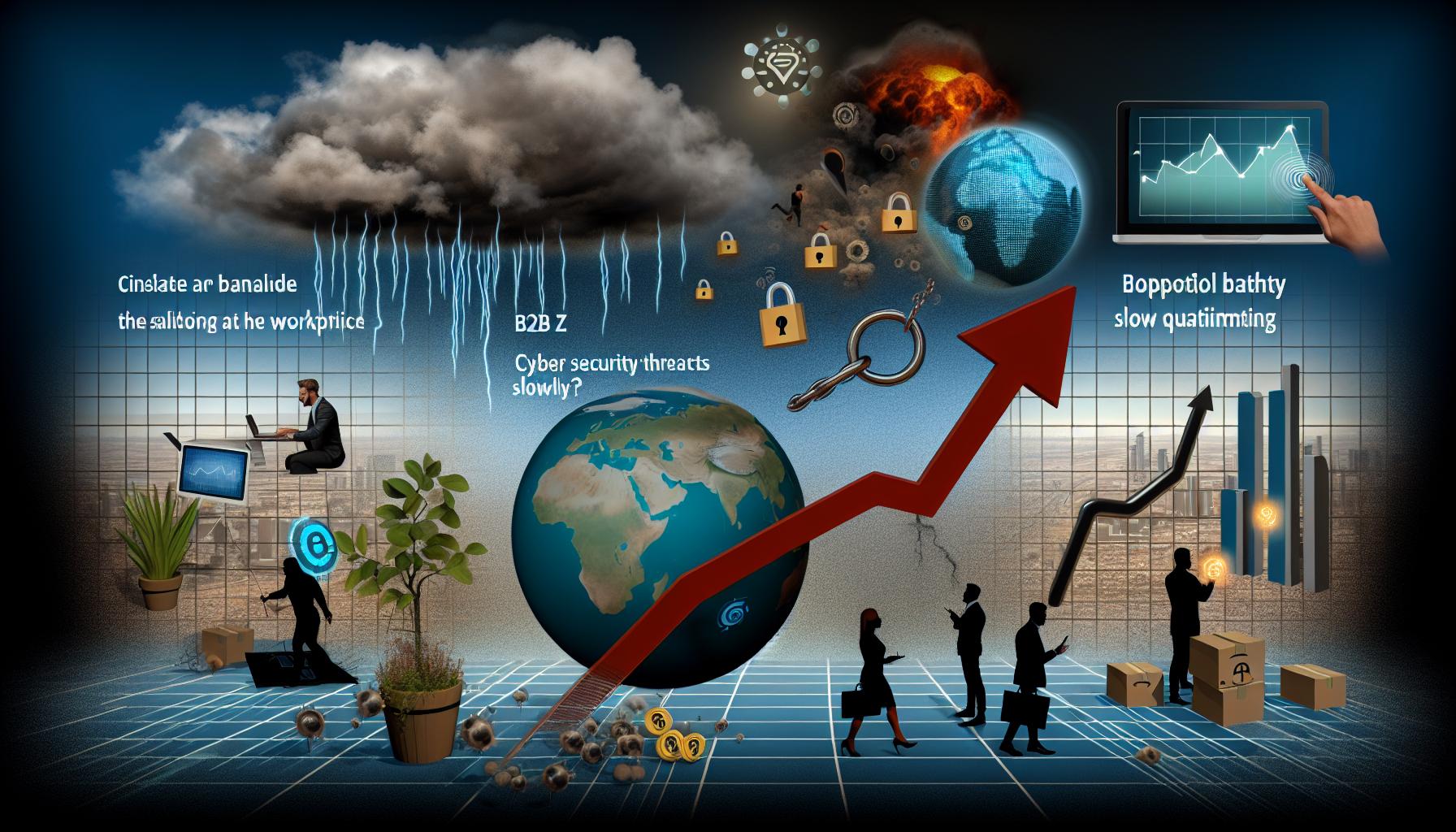
Starting around 2019, the global landscape began to shift in ways few could have predicted. Business and Software as a Service (SaaS) providers found themselves navigating many challenges — from grappling with the realities of climate change, post-COVID society, and intensifying cyber threats to the far-reaching impacts of geopolitical tensions, specifically the war in Ukraine.
The rapid acceleration of climate change has thrown businesses into a whirlwind of challenges and opportunities. Unpredictable weather events and shifting agricultural zones are shaking up the business landscape, forcing companies to adapt. But amidst the chaos, there's a silver lining. Sustainable agriculture, water conservation, renewable energy, and eco-friendly transportation industries are booming as businesses and consumers alike seek eco-conscious solutions.
This adaptation isn't just about corporate strategy; it's seeping into our everyday lives. More and more consumers, fueled by a sense of environmental responsibility, are demanding products and services that align with their values. This shift is reshaping the conversations between tech providers and their customers. In B2B discussions, the focus is now on efficiency, sustainability, and the larger environmental impact of the products and solutions offered.
In this changing landscape, climate change stands out as one of the biggest challenges of our time. Forward-thinking companies are acknowledging its importance and actively incorporating climate-friendly strategies. By taking these steps, they're positioning themselves to assist and guide their customers through this transformative period, emphasizing the need for businesses to adapt, innovate, and take the lead in addressing climate issues.
Given climate change's global and far-reaching impact, it is undeniably one of the most significant and intricate challenges we face. Tackling it requires collaborative international efforts, policy changes, and individual and collective behavior shifts.
In the post-COVID society, the B2B sales and marketing landscape has gone through a major facelift, bringing in a bunch of new factors that have really shaken up how we do business. This isn't just a passing trend; it's a deep-rooted transformation that reflects how we navigate the business world and our daily lives.
Post-COVID-19 societal changes are seen as externalities because they represent unintended consequences or side effects on the larger economic and social scene that stemmed from the pandemic.
Recent studies paint a vivid picture of this shift. McKinsey's 2023 report shows that a whopping 80% of B2B buyers now prefer digital interactions over traditional methods. Getting a personalized experience is no longer a nice-to-have but a must, with Salesforce pointing out that 68% of B2B buyers seek empathy from vendors. And let's not forget that eMarketer predicts global e-commerce sales will hit a mind-boggling $5.5 trillion by 2027.
This data really drives home the point that the post-COVID changes are here to stay, bringing both opportunities and challenges for B2B companies. With the rise of e-commerce and a more digital-centric approach, businesses have a lot of room for growth. But simultaneously, they're up against fiercer online competition and higher customer acquisition costs.
B2B companies need to take a strategic approach to thrive in this new landscape. Enhancing their digital presence, offering personalized customer experiences, focusing on building relationships, and keeping up with technological advancements are all crucial. In a world where the post-COVID society plays a key role in shaping things, B2B businesses that can adapt to these changes will set themselves up for long-term success.
As the digital realm brims with opportunities, the looming shadow of escalating cyber threats grows darker. Ransomware emerges as a menacing threat, with its malicious software holding victim's data hostage and demanding ransoms, often in cryptocurrency, for decryption. While ransomware attacks are not new, their intensity, complexity, and repercussions have surged recently.
The spotlight is on Asia, where rapid technological advancements and economic growth have made it a prime target—reports from 2022 paint a grim picture. Check Point Research identifies Asia-Pacific as the epicenter of cyber onslaughts, enduring 31% of global cyberattacks. According to Positive Technologies, CERT-In reports a 53% increase in ransomware incidents in Asia, with the financial sector taking the brunt, accounting for 32% of such attacks. With an alarming average ransom demand of $1.23 million in the region for that year, the vulnerabilities stemming from the region's swift digital transformation and cybersecurity gaps are highlighted.
This turbulent cyber landscape prompts a shift in corporate focus, moving from the CIO to a CSO-centric model for holistic organizational protection. As cybersecurity complexities grow, demystifying the "black box" through training, campaigns, and audits becomes crucial in B2B. By fostering a culture of collective alertness, organizations can defend against but anticipate and adapt to emerging threats.
Cybersecurity threat intelligence aims to enhance an organization's security posture, with its broader consequences and ripple effects on the wider community and ecosystem considered externalities. These externalities can have both positive outcomes, such as bolstering collective security, and negative impacts, like the rise of more sophisticated threats.
The conflicts in Ukraine and in Gaza didn't just stir up geopolitical tensions; they caused a ripple effect through global supply chains, shaking up businesses in various ways. Ukraine has long been known as the "breadbasket of Europe," significantly contributing to global grain exports. To give you an idea, Ukraine is responsible for approximately 10% of the world's wheat exports and about 15% of global corn exports. This dominance in grain production means that any disruption in Ukraine's ability to produce or export directly threatens food security in numerous countries.
And let's not forget the Russian angle. Russia, with its close ties and shared borders with Ukraine, plays a crucial role in the global fertilizer market. With Russia supplying nearly 20% of the world's raw materials essential for fertilizers, any geopolitical instability involving the nation could potentially hinder agricultural outputs on a global scale. Take Brazil, for example, one of the major agricultural producers, heavily reliant on these raw materials for its vast agricultural sector. A shortage or a significant price hike could seriously impact its production capabilities, leading to ripple effects in global food prices and availability.
The oil sector is another example of the intertwined nature of today's global economy. While Norway isn't directly involved in the Ukraine crisis, it holds a significant share in Europe's oil and gas supply. As tensions escalated and sanctions were imposed on Russia, Europe's reliance on alternative energy sources like Norway grew. This situation emphasizes how geopolitical events in one region can have far-reaching effects, influencing trade dynamics, partnerships, and economic dependencies across continents. Essentially, the Ukraine crisis serves as a stark reminder of the delicate interconnections of our globalized world. For B2B entities, this highlights the importance of diversifying supply chains, predicting potential geopolitical risks, and creating strategies to ensure resilience in an unpredictable global landscape.
While the war itself is a direct conflict between specific parties, its repercussions spread out, creating externalities that impact a wider range of nations, economies, and individuals. Understanding and navigating these externalities are crucial for any professional or entity operating in today's interconnected global landscape.
Gen Z's impact on reshaping business strategies goes beyond just a generational shift in consumer preferences. With their emphasis on authenticity, social responsibility, and immediacy, Gen Z is revolutionizing how B2B companies engage with their audience. Growing up in a digital era of instant gratification and seamless experiences, Gen Z values real-time solutions and support in all interactions, including in the B2B realm.
For B2B firms aiming to connect with Gen Z decision-makers and influencers, streamlining operations and ensuring quick responses are essential. Outdated systems and slow processes can turn off this tech-savvy generation. By aligning with Gen Z's authenticity, social responsibility, and immediacy values, B2B companies can future-proof their strategies and remain relevant in a constantly evolving business landscape.
While Gen Z's behavior and aspirations may not fit the traditional economic definition of externalities, their actions undoubtedly have widespread impacts on society and the economy. Businesses and professionals in the B2B sector can benefit from understanding and adapting to these shifts, drawing inspiration from customer-centric models that resonate with Gen Z's values. By embracing these changes and incorporating them into their strategies, B2B entities can position themselves for success in a world where Gen Z's influence continues to grow.
The slow quitting phenomenon is like a stealthy ninja in the workplace, silently causing disruptions that B2B entities need to combat. Picture employees who start mentally checking out of their roles even before handing in their resignation letters. This subtle disengagement may not be obvious initially, but its impact is significant. Productivity takes a nosedive, innovation hits a roadblock, and team morale suffers. It's a slow burn that can seriously affect a company's profitability and its ability to cater effectively to its B2B clients.
Various factors contribute to this trend. Evolving workplace expectations, searching for purpose-driven roles, and attracting flexible working arrangements all play a role in employees drifting toward disengagement. For businesses, especially those in the B2B sector, understanding these underlying causes is crucial. Addressing the challenge of "slow quitting" involves creating environments that promote continuous learning, transparent communication, and genuine employee involvement. B2B entities can stay ahead of the game and drive ongoing innovation in a constantly changing marketplace by ensuring that talent feels appreciated, valued, and integrated.
While "slow quitting" may primarily be an internal organizational issue, its effects ripple outward, impacting fellow employees, customers, and business partners. In this light, the broader implications of "slow quitting" can be considered externalities.
Moreover, the consequences of "slow quitting" extend beyond the immediate workplace environment. As disengaged employees interact with clients, partners, and stakeholders, their lack of enthusiasm and commitment can tarnish the company's image and influence external relationships. This could lead to reduced customer satisfaction, missed business opportunities, and ultimately, a negative impact on the overall brand reputation. Tackling the root causes of slow quitting is crucial for internal unity and for maintaining positive external perceptions and relationships in the competitive B2B landscape.
Inflation, typically viewed as a simple gauge of increasing costs, is, at its core, a macroeconomic spectacle with profound implications. Beyond the evident inflationary effects on raw materials, labor, and transportation, it spins a convoluted tale that impacts broader economic and business ecosystems, notably visible in the realm of B2B sales.
A recent report from CB Insights sets the scene, unveiling a 25% drop in U.S. startup funding in the first quarter of 2023 compared to the same period in 2022. This isn't an isolated incident but a reflection of macroeconomic shifts powered by inflation. As inflation prompts interest rate hikes, the cost of capital becomes more daunting. Investors, in turn, become more risk-averse, influencing everything from startups to established enterprises.
From the perspective of B2B sales, these macroeconomic shifts call for recalibrations. Sales teams must reevaluate the Total Addressable Market (TAM), Serviceable Available Market (SAM), and Serviceable Obtainable Market (SOM) in light of these economic fluctuations. With shifts in the financial landscape, the characteristics of potential B2B clients, their requirements, and financial capacities evolve.
The dominance of larger entities during inflationary periods, as highlighted by the National Bureau of Economic Research, heightens industry concentration. Established market leaders, bolstered by their macroeconomic resilience, can shift inflation-induced costs to their B2B clientele. This shift necessitates sales teams to fine-tune their strategies and value propositions to cater to an evolving clientele influenced by macroeconomic trends and industry-specific changes.
Inflation transcends mere financial metrics—it's a macroeconomic whirlwind that reshapes business landscapes, including the B2B sales sector. A combination of macroeconomic insight, strategic flexibility, and adaptability will be crucial for businesses to flourish amid these currents.
Moreover, the repercussions of inflation and interest rate hikes extend beyond financial measures. The broader impacts of economic policies and trends on various economic actors underscore the interconnected nature of global markets. While these effects may not fit the traditional definition of externalities, they profoundly affect businesses, investors, and consumers navigating the ever-evolving economic terrain.
For professionals in business development and strategy, grasping these externalities is essential. Considering such economic shifts and their broader impacts can facilitate informed, adaptive, and market-focused decisions, ultimately positioning businesses for success in the face of macroeconomic challenges.
At its core, Prospect Theory delves deep into human decision-making processes, particularly in the face of uncertainty and risk. This theory, coined by Daniel Kahneman and Amos Tversky, underscores a fundamental human inclination: people value potential losses more heavily than equivalent potential gains. It’s not just about the mathematics of profit and loss but the psychological weight we give to each.
In the B2B arena, this translates into a crucial insight. Companies that are thriving and registering consistent growth often exhibit risk aversion. They may be contented with their current trajectory and show reluctance to disrupt their ongoing processes, including adopting new methodologies or transitioning to novel SaaS solutions. Their perceived gains from new implementations might not outweigh the potential upheavals or losses in their view, leading them to maintain the status quo.
Conversely, companies that perceive themselves to be in a state of loss, or those falling behind their competitors, will likely have a different psychological stance. These businesses, feeling the pressure of their situation, are generally more receptive to change. They're more willing to adopt products and services that promise an improvement in their current standings, mainly if these offerings help them navigate and mitigate the repercussions of externalities. They view potential gains as a lifeline, a chance to close the gap, or even leapfrog ahead.
For B2B sales and marketing teams, this understanding is invaluable. It emphasizes the importance of gauging the business mood of prospective customers. Tailoring pitches based on a company's perceived standing—whether comfortably cruising or desperately trying to catch up—can be the difference between sealing a deal or losing one. Recognizing and responding to these psychological triggers can drastically enhance engagement and conversion rates.
Prospect theory itself isn't an externality. The behaviors and decisions stemming from the principles of the theory can produce external effects that impact parties not directly involved in the initial decision.
A myriad of external factors has shaped the ever-evolving business landscape in recent years: the fast-paced impact of climate change, the societal shifts post-COVID, the rising threat of cyber-attacks like ransomware, the geopolitical intricacies brought to light by events such as the Ukraine crisis, the changing behaviors of Gen Z, the nuanced challenges of slow quitting in workplaces, and the far-reaching effects of inflation on various aspects of business, especially in the startup realm.
If you've previously viewed these externalities as distant or someone else's problem, it's time for a wake-up call. These aren't isolated occurrences happening in a vacuum; they are intertwined with our daily lives, both personally and professionally. Whether you're pondering the food you eat, the security of your digital information, or the stability of your job, externalities are at play. They shape market trends, influence consumer choices, and dictate the direction of industries.
In this dynamic landscape, staying informed isn't just advantageous; it's essential. As you kick off each day, take a moment to contemplate the broader world events and trends. Ask yourself: How do these externalities impact me? How do they shape my professional decisions and personal preferences? By making this reflection a routine, you empower yourself to navigate challenges and seize opportunities in our interconnected world. The era of disregarding externalities as someone else's concern is over; today, they are woven into our collective story. Embrace them, comprehend them, and let them steer your journey.
https://www.fas.usda.gov/regions/ukraine
Food and Agriculture Organization of the United Nations (FAO), "Food Price Index," September 2023.
https://www.fao.org/worldfoodsituation/foodpricesindex/en/
Check Point Research: Security Report 2022
https://pages.checkpoint.com/cyber-security-report-2022
Indian Computer Emergency Response Team (CERT-In): Annual Report 2022
https://www.cert-in.org.in/s2cMainServlet?pageid=PUBADV01&CACODE=CICA-2023-3168
Positive Technologies: APT Trends Report 2022
https://securelist.com/apt-trends-report-q3-2022/107787/
Coveware: Q4 2022 Ransomware Market Report
https://www.coveware.com/ransomware-quarterly-reports
McKinsey & Company. (2023). "The Future of B2B Sales is Hybrid."
Salesforce. (2023). "What Are Customer Expectations, and How Have They Changed?
https://www.salesforce.com/resources/articles/customer-expectations/
eMarketer. (2023). "Global E-commerce Forecast for 2022."
2 min read
In Texas’s 88th legislative session last year, legal and regulatory changes that are poised to impact the real estate market significantly were...

In the fast-paced, ever-evolving world of lean startups, a powerful strategy has emerged that impeccably aligns with our principles - the practice of
In the bustling tech hub of Austin, where innovation meets lifestyle, tech professionals are increasingly turning their focus towards sustainable...